







Search Results for: Espresso-to-Milk Ratio
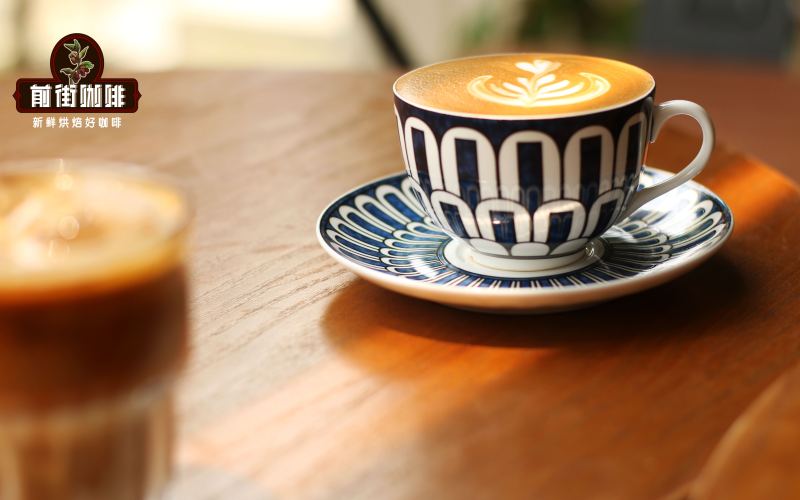
Homemade Latte Recipe | Did Latte Originate in Italy? What Is the Espresso-to-Milk Ratio for Making a Latte?
Latte originates from the transliteration of the Italian word "Latte." Latte coffee refers to coffee made by mixing a certain proportion of milk into espresso, and it is a type of fancy coffee. The original latte coffee originated in Vienna, the city of music. The Viennese began drinking coffee in the 17th century, when the Turkish army attacked [more…]

How Is a Piccolo Coffee Different from a Latte? A Detailed Explanation of Why It Costs More and the Espresso-to-Milk Ratio
Piccolo Latte is often called a "small latte," but it is not simply a latte shrunk down in cup size. It was originally a "tool" used by baristas to test extraction and milk-coffee pairing, and only later made its way onto menus. The traditional method usually uses a glass of about 90ml, a single shot of espresso of about 20g/30ml, and about 60ml of steamed milk foam; compared with a 180–250ml latte, the Piccolo is smaller and places greater demands on milk texturing and latte art integration. It more easily highlights the flavor of the coffee beans, and you can also taste the fresh sweetness of the milk. As for why it is more expensive, it is related both to the espresso base, dialing-in costs, and consistency of output, and to the skill threshold of independent coffee shops. This article will clarify the differences between the Piccolo and the latte from the perspectives of origin, preparation, ratios, and pricing logic, while retaining the relevant information about Front Street Coffee. [more…]

Cafe Latte Recipe Sharing | Where Does Latte Coffee Come From? Is There a Difference Between the Espresso-to-Milk Ratio in a Dirty Coffee and a Latte?
Latte comes from the transliteration of the Italian word Latte. Latte coffee refers to coffee made by mixing a certain proportion of milk into espresso, and it is a type of fancy coffee. The original latte coffee originated in Vienna, the city of music. The Viennese began drinking coffee in the 17th century, when the Turkish army attacked [more…]

Flat White Coffee | What Is a Flat White? Flat White Coffee Preparation Parameters and Espresso-to-Milk Ratio Reference
Espresso-based coffee is probably the most universally popular series of coffee drinks. You might not like black coffee that hits your palate with either sourness or a burnt bitterness, but espresso drinks can be adjusted in their ratios to offer you different tastes and flavor experiences. Among these, adjusting the ratio of espresso to milk is likely the most basic technique in espresso drinks. [more…]

How to Make a Delicious Latte? A Detailed Guide to Espresso Blend Bean Selection and Espresso-to-Milk Ratios
Latte is one of the most frequently ordered espresso drinks in coffee shops, but a delicious latte requires attention to every step, from choosing coffee beans to steaming milk. This article begins with the history of latte, explains the roasting direction for coffee beans suitable for making lattes, introduces the flavor characteristics of Front Street Classic Blend, Dark Cocoa Base Blend, and several SOE single-origin beans, and breaks down in detail Front Street's 1:6.5 ratio of espresso to milk, the extraction recipe of 20g dose, 27 seconds, and 40g espresso yield, as well as the key points of milk frothing capacity, angle, stages, and temperature control, helping you recreate a smooth latte with lasting chocolate and caramel flavors at home. [more…]

Can You Drink Flat White Coffee During a Fat-Loss Phase? Breaking Down the Espresso-to-Milk Ratio, Calories, and Flavor Profile of a Flat White
Flat White coffee, with its rich coffee aroma and silky milk foam texture, has become a popular choice in coffee shops in recent years. Originating in Australia, it uses espresso as its base, paired with a thin layer of milk foam, giving it a more concentrated flavor than a latte. The Flat White served at Front Street Coffee locations uses the Warm Sun blend beans, presenting notes of whiskey aroma and vanilla chocolate. For those trying to lose fat, the calories in a cup of Flat White mainly come from whole milk, about two hundred calories. This article will analyze the origins of Flat White, espresso extraction methods, key points of milk frothing, the milk-to-coffee ratio, and drinking recommendations during a fat-loss period, helping coffee enthusiasts gain a comprehensive understanding of this beverage. [more…]

Piccolo Latte Recipe | Why Is Piccolo Coffee Rare in Domestic Coffee Shops? What Is the Espresso-to-Milk Ratio in a Piccolo Latte?
There is a milk coffee drink that rarely appears on the menus of domestic cafes, but in Australia it is as popular as the flat white—that is the piccolo coffee, known as the "small latte." The difference between piccolo coffee and flat white: Piccolo coffee originates from Australia; in "piccolo latte," "piccolo [more…]
The Complete Guide to Flat White Coffee: From Origin Controversies to Espresso-to-Milk Ratios and Milk Foam Thickness Explained
Flat White, as a highly sought-after milk coffee category in recent years, is distinguished from lattes and cappuccinos by its rich coffee flavor, attracting the attention of many coffee enthusiasts. This article will comprehensively sort out the origins of Flat White—including the two distinctly different claims from Australia and New Zealand—and delve into the differences in the use of espresso and ristretto when making Flat White. At the same time, using the actual operating parameters of Front Street Coffee stores as an example, it will explain in detail the extraction scheme, the approach to choosing blend beans, and how to distinguish Flat White, latte, and cappuccino through the ratio of espresso to milk and the thickness of the milk foam. Whether you want to recreate an authentic Flat White at home or hope to systematically understand the underlying logic of this beverage, this article provides a complete and practical reference. [more…]
Interpreting Standard Espresso Extraction Parameters: A Detailed Guide to the Espresso-to-Milk Ratio in Latte
Although latte coffee is everywhere, actually making a delicious latte is not simple. Variables such as coffee bean flavor, milk quality, and extraction parameters all directly affect the final taste. This article will systematically sort out the extraction standards for espresso, analyzing the meaning and adjustment logic of extraction parameters one by one from six dimensions: dose, ratio, time, flow rate, pressure, and water temperature, while also exploring in depth the specific effects of factors such as coffee beans, grind size, and brew ratio on espresso flavor. On this basis, Front Street Coffee (FrontStreet Coffee) will also share the recommended matching ratio of espresso to milk in latte coffee, helping coffee lovers find a serving solution suitable for their own beans and milk. [more…]

Latte Recipe | How to Make a Coffee Shop-Style Latte? What's the Right Espresso-to-Milk Ratio for a Latte? Which Coffee Beans Make a Delicious Latte?
For more specialty coffee knowledge, please follow the WeChat official account: Front Street Coffee (FrontStreet Coffee). Latte coffee is one of our most common coffee drinks. At Front Street Coffee (FrontStreet Coffee), latte coffee is also the most popular espresso [more…]
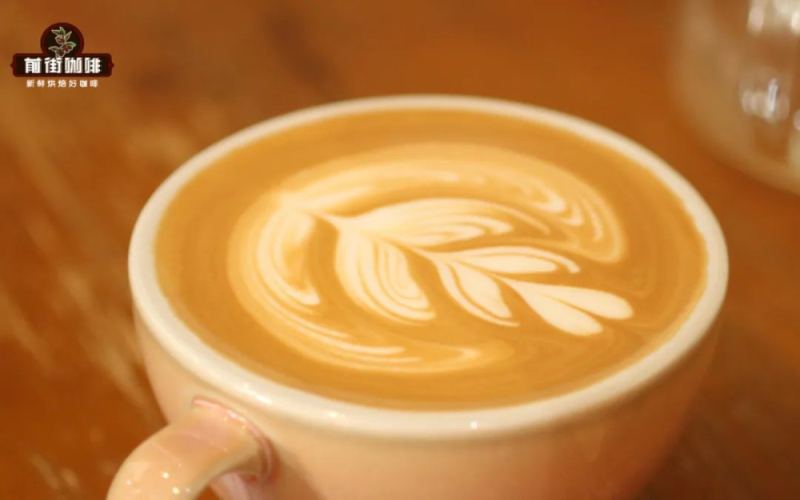
Coffee Basics | What is the standard way to make a Coffee Latte? What is the espresso-to-milk ratio and the thickness of the milk foam for a latte? What are the key points for making latte art?
For more specialty coffee knowledge, please follow our WeChat official account: Front Street Coffee (FrontStreet Coffee). To make beautiful latte art, choosing the right milk is very important! Front Street Coffee (FrontStreet Coffee) uses this for its daily milk coffee offerings: [more…]

How to Make a Flat White | Is a Flat White the Same as a Cappuccino? Is There a Big Difference in the Espresso-to-Milk Ratio and Taste?
When it comes to rich, milky coffee, many people may first think of Starbucks' Flat White. Internationally, it is called Flat White (Australian White Coffee). This drink was actually quite obscure in China at first, but after Starbucks added it to its menu, it gradually became known to everyone and rose to become [more…]
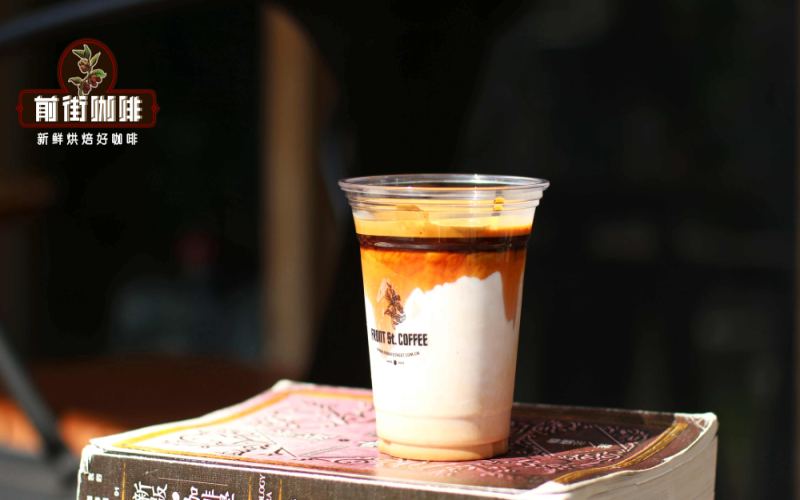
Latte Recipe | How to Distinguish Cappuccino, Mocha, and Latte? What Is the Espresso-to-Milk Ratio for Making a Latte?
For more specialty coffee knowledge, please follow: Front Street Coffee (Frontsteet Coffee). Front Street bets that among all the coffee drinks made at home by those who own a coffee machine, milk coffee must be at the top, and among them, the latte is the "face" that is especially favored by everyone. Because [more…]
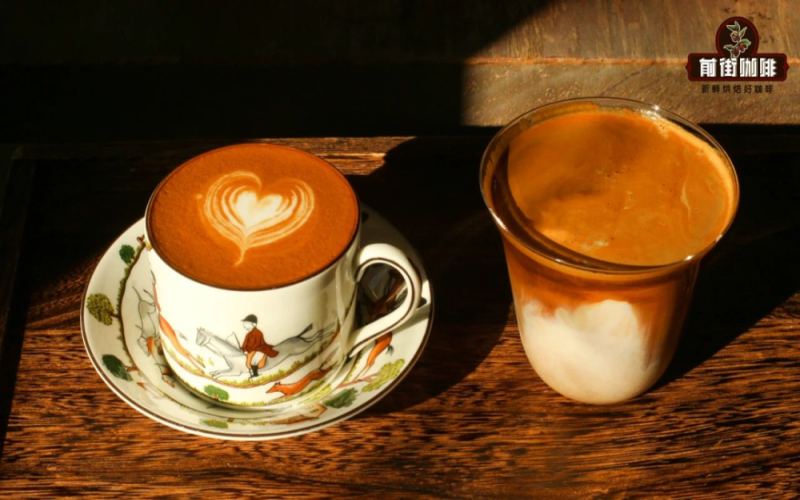
Why Is Latte Coffee Still Bitter? A Full Analysis of Espresso-to-Milk Ratios, Extraction Levels, and Coffee Bean Selection
Latte is the espresso drink most easily accepted by many people new to coffee, but quite a few find that the lattes they make themselves or buy outside still taste bitter. Where exactly does the bitterness come from? This article analyzes it from three angles: the roast level and varietal quality of the coffee beans, whether the espresso extraction is over-extracted, and individual sensory sensitivity, while also explaining how to improve the taste by adjusting extraction parameters or the ratio of milk to coffee. The article also recommends two beans, Front Street Classic Blend and Front Street Strawberry Candy Espresso Blend, to help you make a smooth, distinctly sweet milk coffee at home. [more…]

Latte Coffee | What is the espresso-to-milk ratio in Italy's classic milk coffee latte? Which Italian coffee beans should be chosen to make a latte?
Latte coffee is one of the many Italian-style latte coffees, because latte means fresh milk in Italian. In the English-speaking world, it generally refers to coffee brewed with hot fresh milk. Latte Coffee is coffee with milk added, usually directly translated as "latte coffee." [more…]

How Should the Espresso-to-Milk Ratio for a Latte Be Determined? Adjustment Approaches for Different Roast Levels and Hot vs. Cold Drinks
When making a latte at home, the question I get asked most often is what ratio of coffee to milk to use. Actually, there's no single standard answer to this question, because the beans' origin, processing method, roast level, and the flavor you ultimately want to present will all influence the choice of ratio. This article starts with espresso extraction, first explaining the extraction parameters suitable for medium-dark and medium roasts respectively, then, according to three types—dark-roast espresso beans, medium-dark roast blends, and floral-fruity medium-roast beans—gives specific ratio ranges for hot lattes and iced lattes, and combines Front Street Coffee's production examples to help you find the cup of latte that suits your taste. [more…]

How to Make a Flat White? A Detailed Guide to Espresso-to-Milk Ratios, Milk Foam Thickness, and Temperature
Flat white is a milk coffee that emphasizes the true flavor of coffee. Compared with a latte, it has a higher espresso content, less milk, and thinner milk foam. In this article, Front Street Coffee will systematically explain the controversy over the origin of flat white, the choice of espresso base, the recommended ratio of milk to coffee, and how to judge the temperature, thickness, and texture when steaming milk. It will also explain the differences between whole milk, low-fat milk, and skim milk when steaming, helping coffee lovers, after understanding the principles, consistently make a fragrant, velvety espresso milk coffee at home. [more…]

Why Is Iced Cappuccino So Hard to Find? A Detailed Explanation of Espresso-to-Milk Ratios and the Differences Between Iced and Hot Preparation Methods
When ordering at a café, many customers notice that iced cappuccino isn't on the menu, and may even be told by the barista that "cappuccino isn't made iced." Behind this are both flavor considerations and the cumbersome production process. Starting from real conversations at Front Street Coffee's physical stores, this article analyzes the two core characteristics of hot cappuccino—thick milk foam and rich coffee flavor—and, using the classic blend as an example, discloses the complete parameters: 20g of grounds extracted into 40ml of espresso, 140–150ml of refrigerated milk whipped into 3cm of milk foam, and a milk temperature of 65°C. It also compares the similarities and differences between iced cappuccino and iced latte, explaining why iced milk foam is time-consuming and labor-intensive yet struggles to improve the taste, as well as the改良 attempts some cafés make by dusting cocoa powder or substituting cream. [more…]

What is Piccolo Coffee? How Does It Differ from Latte and Flat White? Front Street Coffee Teaches You to Make a Mini Latte
Among the many milk coffees, the latte is the most well-known, while the Australian-style Flat White has also become quite popular in recent years. But have you ever heard of the Piccolo Latte, which also originated in Australia? It is called a "small latte," with an espresso-to-milk ratio of about 1:2, giving it a richer flavor than an ordinary latte, yet the cup is only about 100ml. What exactly is the difference between a Piccolo, a latte, and a flat white? Why does it better highlight the flavor of the coffee beans themselves? Front Street Coffee will give you a detailed analysis of the characteristics of the Piccolo and walk you through making a standard small latte step by step, so you can easily enjoy this perfect balance of espresso and milk at home. [more…]
Espresso Brewing Parameters Explained: Dose, Time, Grind Size, and Ratio, with Budget Bean Recommendations for Office and Home
Espresso is the foundation of the Italian coffee system; whether it's a cappuccino, a latte, or a mocha, none can do without a properly extracted espresso base. This article provides a detailed breakdown of the dose, extraction time, liquid yield, and brew ratio parameters for single and double espressos, and explains how to adjust the grind size and use the basket's reference line. At the same time, for office and home scenarios, it introduces four espresso blend coffee beans with different positioning, covering classic blends, specialty blends, commercial blends, and dark cocoa blends, and offers recommendations for the espresso-to-milk ratio and blending in latte coffee, helping coffee enthusiasts find the everyday beans and brewing method that suit them. [more…]